
Bipolar Disorder support · Salem & Online
Through changes in mood,
keep your life in focus.
Living with bipolar disorder can affect confidence, routines and relationships. Calmscious offers psychotherapy support to help you discuss your experiences, set personal goals and understand the support you need.

- Understand patterns in your life
- Strengthen everyday routines
- Involve support on your terms
Does this feel familiar?
The impact can continue
between mood episodes.
“My sleep and energy have changed.”
Changes may affect work, judgement and daily responsibilities, and deserve careful assessment.
“I am trying to rebuild my routine.”
Returning to work, reconnecting with people or finding structure after an episode can feel demanding.
“My family wants to help, but we don’t know how.”
You may need clearer communication about support, privacy, boundaries and early signs of difficulty.
Bipolar disorder involves episodes of depression and mania or hypomania. It is more than ordinary mood changes. Diagnosis requires a qualified clinician’s assessment, including the pattern over time and possible other causes.
Your way forward
Support for the person,
beyond the diagnosis.
Psychotherapy can offer a space to understand the impact of bipolar disorder, discuss daily routines and recognise changes that need attention. Your goals may include relationships, work or rebuilding confidence. The plan should take account of your existing treatment and current needs.
Individual psychotherapy support
Discuss the impact of mood episodes, personal priorities and everyday challenges.
Routines and early signs
Explore sleep and activity patterns, ways to notice changes and when to seek additional help.
Family and caregiver support
With your consent, discuss communication, practical support and a shared understanding of next steps.
The Calmscious Therapy Model
Centred on you.
Guided by your needs.
Developed by Dr. Mehar Nithyan, the Calmscious Therapy Model is her own psychotherapy approach. At the first session, discuss how the proposed approach relates to your experiences and goals.
You can ask about the treatment recommended, the therapist’s relevant experience and other options. Your plan is reviewed in response to your needs; outcomes and the number of sessions vary.
Explore the Calmscious Therapy Model ↗Space to be heard
Begin with what you want help with, in your own words.
A clear conversation
Understand the proposed plan and ask questions.
Your informed choice
Discuss options before deciding how to continue.
Respect for privacy
Ask how your information is handled and about confidentiality limits.
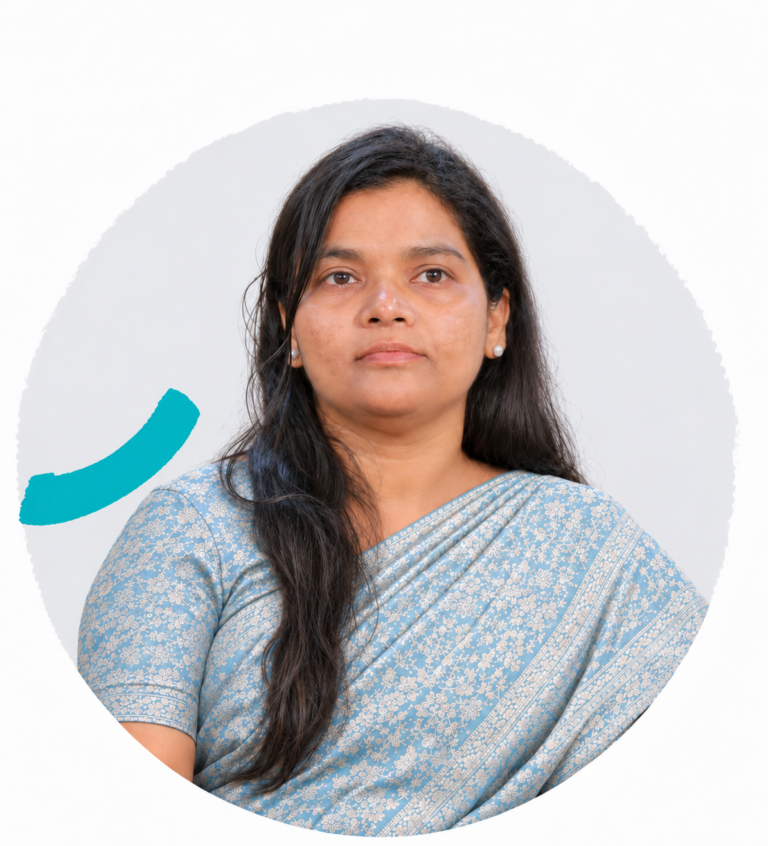
Meet the founder
Dr. Mehar Nithyan
PhD (Psychology)
Founder – Calmscious
Award-Winning Psychotherapist
Creator of the Calmscious Therapy Model
With 20+ years of experience, Dr. Mehar has built Calmscious around a personal approach to psychotherapy. Learn about her background, work and recognition, and ask the team which therapist is suitable for your needs.
Explore Her Story & Awards ↗Your first session
Start with a conversation.
Understand what comes next.
Share what brings you here
Talk about your experiences, daily challenges and what you would like support with. Relevant history and current treatment can help inform the conversation.
Discuss a suitable plan
Explore your priorities, the proposed support and whether further assessment or another service is appropriate. Ask questions before deciding.
Choose your next step
Discuss follow-up options, what to expect and how progress can be reviewed. Continuing sessions depend on your needs and informed choice.
Before booking, confirm the therapist, session duration, current fee and online or in-person format. Review the booking details and cancellation terms; the team can clarify anything that is unclear.
Questions before you begin
A little more clarity.
Can psychotherapy replace medication for bipolar disorder?
Psychotherapy is one part of treatment. Bipolar disorder commonly requires prescribed medication and ongoing clinical monitoring. Do not stop or change medication without discussing it with your prescribing clinician.
Can I book during a manic episode?
New or escalating mania, very little sleep, risky behaviour or major changes in judgement need prompt medical assessment. A routine therapy appointment should not delay urgent assessment.
Can a family member contact the centre?
Yes, a family member can ask about support and appointments. Involvement in someone’s therapy depends on consent, confidentiality and any relevant safety or legal responsibilities.
Are sessions available online and in Tamil?
Calmscious offers online and in-person sessions in Salem, with Tamil and English support. Confirm the language, format and suitable therapist with the team when arranging your appointment.
What are the fees and how many sessions will I need?
Confirm the current fee, duration and what is included before you book. The number of sessions depends on assessment, your goals and progress. You can discuss options before committing to further sessions.
Your next step
Your diagnosis is one part of your life.
Your goals matter too.
Ask a question, understand your options or book your first conversation.
Explore other areas of support
This service provides psychotherapy support, not emergency care or medication prescribing. If symptoms are escalating, seek prompt medical assessment. Treatment goals and outcomes vary.
This page offers general information and does not provide a diagnosis. Read independent information from NIMH ↗